

Article by Gwen Jones, Department of Family Services
(Posted 2026 October)

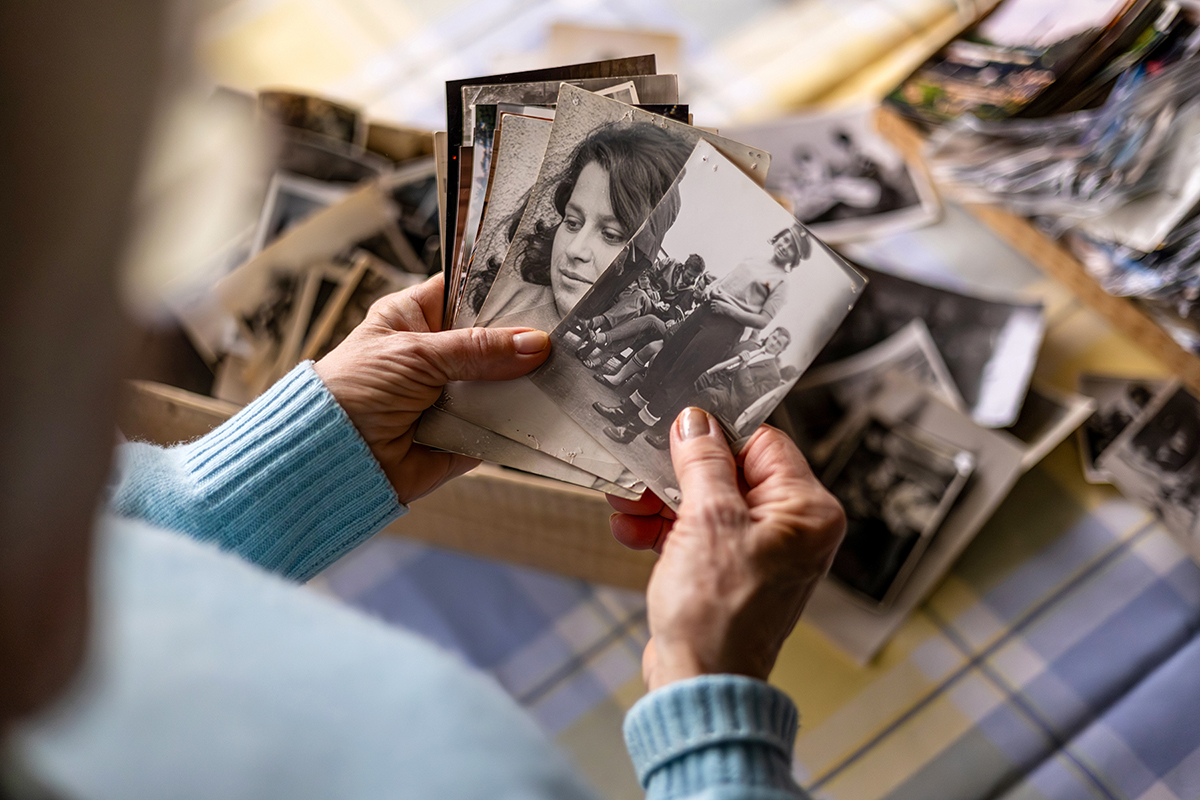
October is Family History Month, a reminder that it takes work to ensure later generations know your family’s stories and can identify family members in photos.
There aren’t rules for documenting your family history. You may choose to research your historical ancestors or document just the generations you remember, such as great-grandparents, grandparents, and parents. Below is information to help you get started.
Researching Historical Ancestors
It can be difficult knowing where to begin researching your family history. The good news is plenty of guidance and resources are available from trusted sources. Here are a few:
- Fairfax County Public Library’s Genealogy for Beginners, a five-part genealogy series that covers the fundamentals of researching your family history.
- The Library of Virginia website includes a genealogical chart you can print and fill in, as well as tips and resources for beginners. They also have a wide variety of books, databases and records to aid your search.
- The National Archives is a great source of information to aid your research, including video recordings on different topics.
- Senior Planet from AARP offers classes, videos, resources, and articles on the topic of genealogy.
- National Genealogical Society includes many free resources, such as charts, templates and tutorials, as well as learning paths for your research, including one for beginners called Getting Started – ngsgenealogy.org/free-resources
- FamilySearch is dedicated to preserving important family records and making them freely accessible online, subject to local laws. Search historical records and archives and access one-on-one help. They also offer suggestions for how to begin your search – familysearch.org/en/united-states
Documenting Generations You Remember
Organizing your personal collection of memorabilia is a great place to start. This may include photos, negatives, slides, video cassettes, audio cassettes, scrapbooks, journals, and other documents. Pulling your collection together can take many forms, but should include:
- Organizing items in a way that makes sense, often chronologically.
- Labeling photos and videos with names, dates, and locations.
- Digitizing legacy formats and storing them in a secure location.
- Using archival storage boxes and albums to preserve original items.
Another way you can document family history is by creating video or audio recordings of yourself and other family members, sharing memories and telling stories. You can also encourage family members to make their own recordings to add to your archive. Free Fairfax County Public Library resources to help you get started include:
- Memory Depots are reservable do it yourself (DIY) station where you can digitize print, audio, and video materials.
- Family History Kits include a set of cards with interview prompts, a digital voice recorder, and instructions on how to get started gathering your family history.
This article is part of the Golden Gazette monthly newsletter which covers a variety of topics and community news concerning older adults and caregivers in Fairfax County. Are you new to the Golden Gazette? Don’t miss out on future newsletters! Subscribe to get the electronic or free printed version mailed to you. Have a suggestion for a topic? Share it in an email or call 703-324-GOLD (4653).